


DISC for Team Building
The acronym DISC stands for Dominance, Influence, Steadiness, and Conscientiousness. The DISC profile assessment helps to identify the unique characteristics of each personality type. DISC team building exercises, however, are a must if an organization or individual intends to improve employee performance and collaboration between teams.
Incorporating DISC into Team Building
In the workplace, DISC results can be effectively used to build teams. With the DISC assessment, you can gain a detailed understanding of all different aspects of your personality, including your natural instincts, your communication style, your management aptitude, and your leadership abilities. Members of the team can benefit from sharing these results with each other in order to gain a better understanding of the other members of the team. Using these results, they can devise a strategy for interacting with each group member to strengthen relationships.
The Need for DISC Training
It is imperative to conduct DISC training exercises to develop better methods and tips for dealing with complex workplace problems and interacting with fellow employees. It can be used in organizational management, hiring, training, conducting workshops, determining leadership roles, and other decisions. The DISC profile test aids in understanding the different personality styles well, but DISC training activities can help to implement these results for better productivity at work. The DISC training exercises are a great way for resolving any conflict and building cohesive teams.
Own Your Team
In our experience, team-building initiatives significantly boost company morale and cooperation. These activities foster a strong sense of community, enhance communication, and build trust among team members. They encourage creativity and problem-solving, leading to a more unified and engaged workforce. Ultimately, this strengthens team spirit and aligns employees more closely with organizational goals.
By participating in this activity, the members of the group are able to develop stronger bonds. Engaging a specialized DISC consultant for manager training offers the crucial advantage of integrating a practical and nuanced understanding of human behavior into their leadership skill set.
Take an appointment
Participation in Team Building Exercises
Communicating effectively and building strong bonds are essential for the development of long-term relationships. Organizations must understand the need of the present time and should incorporate team-building exercises in any DISC training workshop. In order to ensure maximum participation from team members, you need to consider these tips:
- Explain the activity in detail
- Do not force participation out of their comfort zone
- Ask them questions regarding queries
- Be sure to define the end goals
Team Building Exercises for DISC Styles
It is important for employers to consider the reactions of their employees when bringing a new regulation into the organization or making a change to existing practices. Managers could make this process easier by learning their subordinates’ priorities, perceptions, and natural adaptability.
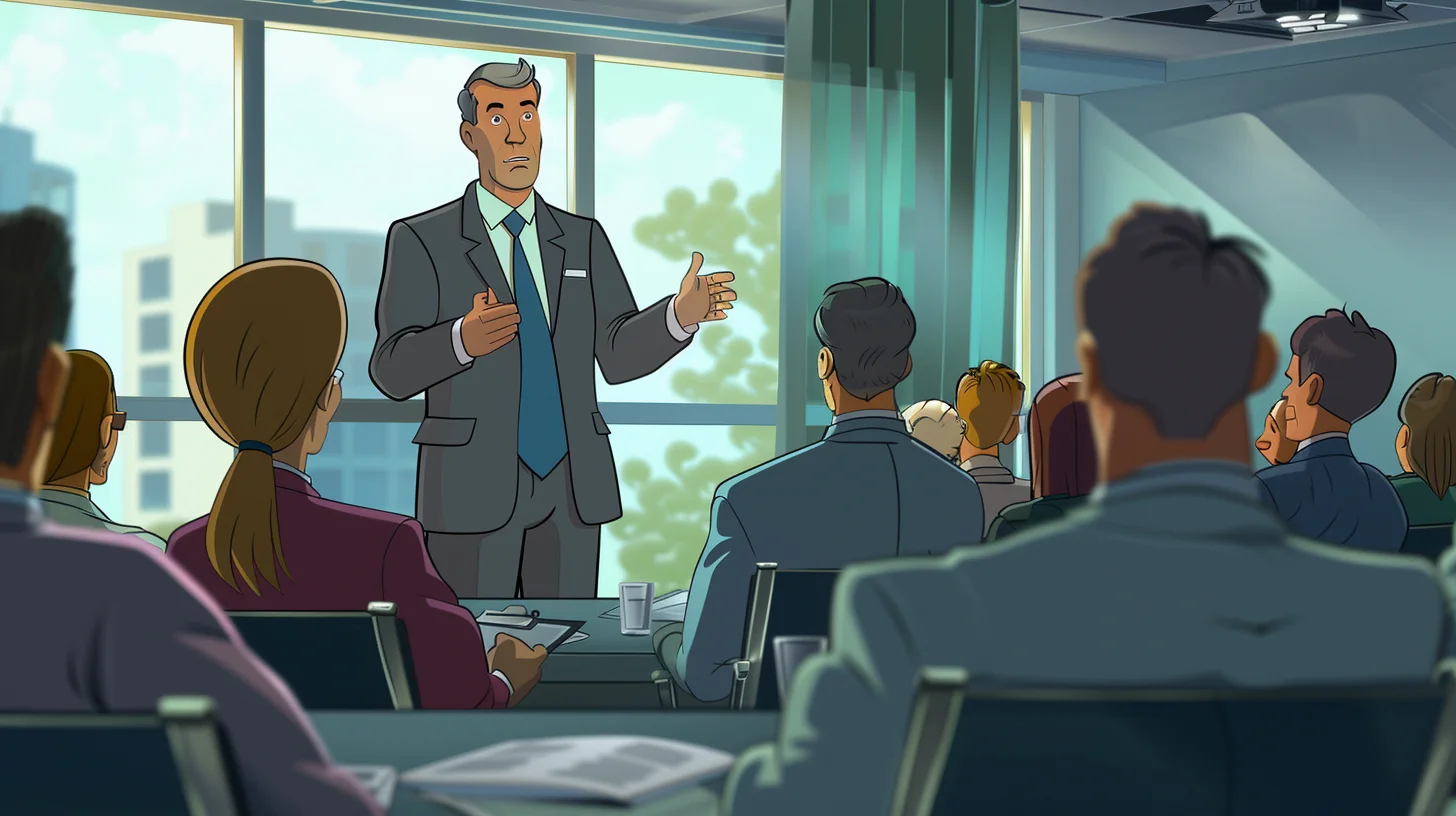
We can use the DISC profile assessment tool here. It not only helps you to learn the different personality styles of the participants, but it also helps you pinpoint ways to improve the weaknesses you noticed. After people feel comfortable in the workplace, breaking the ice and understanding each other’s perspectives will add value. Instead of implementing rules and regulations, businesses can bridge the communication gap they want by engaging employees in fun activities and games. Every personality style is different and should be handled individually in a way that meets the needs. Like often personalities hesitate to speak in front of everyone so they should not be compelled to do so.
Here are a few group activity tips you can conduct during a DISC workshop in your organizations:
What’s in My Pocket?
In a session when new teams are interacting for the first time, this training game can be introduced. This activity serves as an icebreaker where each participant can think of one thing they bring with them. Within 20 questions, other participants have to guess what that object is. After the questions are answered, the person will reveal the thing and share some information about it. This is a great way to make everyone familiar with each other and get to learn their priorities.
Constructive Conflict
At times, positive conflict results in a better solution and helps to avoid future problems. Basically, this is a brainstorming exercise. Often, it turns into a debate between the groups. You should present your ideas, confront them, and consider alternate solutions in order to resolve conflict constructively. Assess each suggestion’s pros and cons. Select the most feasible solution and evaluate results over time. Communicate the decision effectively to the other participants in order to create an understanding among them. The development of such a culture in an organization will make people more comfortable voicing their ideas and bringing innovative solutions.
Ask me a Question
The purpose of this exercise is to initiate discussion among groups and to identify and use each other’s strengths. For this activity, split the members into groups and ask each person to write a question regarding anything. Record the responses to the top two questions chosen by the groups and learn about their perspectives on the questions. As a result of such activities, team participation will improve workplace culture.

Choose a Song Title
It is also possible for management to improve communication between the members by using interactive games. This exercise will help you understand the culture of the group as a whole. During this activity, you can ask each member to choose a song that describes his or her role in the group and explain their choice. Afterward, you can ask the other team members if they agree with the selection. Such exercise can help in building stronger relationships between team members.
Successful business ventures require a strong team. The more cohesive the team, the more productive the results will be. According to research reports, teams with effective communication and well-defined goals are highly motivated to succeed. Team building exercises add depth to your understanding of the functionality of your team and help you to prioritize things based on the DISC profile assessment reports of all the members of the team.
FAQ
How can DISC assessments enhance team dynamics and collaboration?
DISC assessments enhance team dynamics by creating a shared language for understanding behavioral differences and fostering psychological safety. When team members complete DISC assessments together, they gain insight into why colleagues approach tasks, decisions, and interactions differently, transforming potential judgments into appreciation for diversity. This understanding allows teams to strategically assign roles based on natural strengths—placing D types in leadership positions requiring decisiveness, I types in roles needing persuasion and networking, S types in coordination and support functions, and C types in analytical and quality assurance tasks. Additionally, the assessment process itself builds empathy as team members recognize that their way isn’t the only effective way, leading to more patient collaboration and reduced interpersonal friction.
What are the key strengths identified in different DISC personality profiles for team building?
Each DISC profile brings essential strengths to team building. D types contribute drive, courage to make tough decisions, and the ability to challenge the status quo, pushing teams toward ambitious goals. I types offer enthusiasm, relationship-building skills, and the ability to energize others, creating positive team culture and external connections. S types provide reliability, patience, and exceptional listening skills, serving as mediators who maintain harmony and ensure everyone feels included. C types bring analytical thinking, attention to quality, and systematic problem-solving, ensuring thoroughness and preventing errors. A well-rounded team leverages all four strengths, creating a balanced unit where vision meets execution, innovation meets quality control, and momentum meets stability.
How can team leaders utilize DISC insights to resolve conflicts effectively?
Team leaders can utilize DISC insights by first identifying the personality types involved in conflicts and recognizing how their natural behaviors and communication styles may be clashing. When addressing D-S conflicts, leaders can acknowledge the D type’s need for speed and decisiveness while validating the S type’s need for stability and collaboration, finding middle ground through phased implementation. For I-C conflicts, leaders can structure conversations that honor the C type’s need for data and detail-oriented analysis while appreciating the I type’s focus on interpersonal relationships, perhaps requesting that I types provide more documentation during group activities while encouraging C types to consider the social dynamics of their decisions.
Leaders should also adapt their mediation style—being direct and solution-focused with D types, collaborative and positive with I types, patient and reassuring with S types, and logical and fact-based with C types—ensuring that each team member feels understood and respected.This approach not only facilitates conflict resolution but also serves as a catalyst for improved teamwork and collaboration, ultimately leading to a more effective and harmonious workplace.
What activities can be implemented to foster cohesive teamwork using DISC styles?
Activities that leverage DISC diversity include cross-style problem-solving exercises where teams deliberately assign different phases to appropriate types: D types lead goal-setting, I types facilitate brainstorming, S types manage implementation planning, and C types handle quality checks. Role-rotation exercises help team members experience other perspectives by temporarily working outside their comfort zones. Communication workshops can practice adapting messages for different DISC audiences, with team members presenting the same information four different ways. Strengths-appreciation sessions where each type shares what they value about other types build mutual respect. Team-building simulations that require all four styles to succeed—combining quick decisions, creative solutions, careful coordination, and detailed analysis—demonstrate the power of diversity and create memorable experiences of complementary collaboration.
How do varying DISC types within a team influence workplace communication?
Varying DISC types create a communication ecosystem with different rhythms, preferences, and potential misunderstandings. D types initiate direct, concise exchanges focused on “what” and “when,” sometimes appearing abrupt to relationship-oriented team members. I types bring storytelling, enthusiasm, and frequent check-ins, which can seem unfocused to task-oriented groups. S types communicate diplomatically and listen actively but may hesitate to voice disagreement, leading to unspoken conflicts. C types provide detailed, written communication with supporting data, which can overwhelm those seeking quick answers. These behavioral styles affect meeting dynamics, email styles, and feedback delivery.
What role does facilitation play in interpreting DISC reports for team activities?
Facilitation is crucial in translating DISC reports from abstract profiles into actionable team insights. Skilled facilitators help individuals understand their results without creating limiting labels, emphasizing that DISC describes preferences, not abilities. They guide teams through interpreting collective DISC profiles, identifying potential blind spots—such as teams heavy in D and I types that may lack follow-through, or teams dominated by S and C types that may resist necessary change. Facilitators create safe spaces for discussing how different behavioral styles experience the same situations differently, using real workplace scenarios to make concepts tangible. They also help teams develop practical strategies for leveraging strengths and enhancing collaboration, such as establishing communication protocols or rebalancing project roles. To achieve effective team building, facilitators may utilize activities like card games or assessments to deepen understanding of group dynamics. Without effective facilitation, DISC reports risk becoming superficial categorizations rather than catalysts for meaningful behavioral change and improved collaboration. Ultimately, the certification of facilitators ensures they are equipped to foster insights that promote a healthy team environment.
This article has been written by Marc Prager.