


How to organize a team building event for a large group ?
In the corporate world, team building is no longer just a buzzword. It has become a vital aspect of work culture, fostering better team dynamics, reviving team spirit, and supercharging productivity. Organizing a team building event for a large group, however, can be a daunting task. It requires careful planning, a good understanding of your team members, and finding the right activities that can engage everyone.
The Importance of Team Building
Before you dive into planning and organizing your team building event, it’s crucial to understand its importance. Team building is more than just a fun day out of the office. It serves a definitive purpose of building stronger teams, enhancing communication, and fostering a supportive work environment. Team building activities are designed to challenge your team members and help them break out of their comfort zones.
Improve team communication
Team-building activities facilitate improved communication, better collaboration, and stronger personal relationships between team members. They help individuals understand the strengths and weaknesses of others in their team, leading to better work dynamics. A team building event is a perfect opportunity to recognize the contributions of individual team members and reinforce the values of your organization.
Identifying the Objectives of the Team Building Event
Our experience guiding companies through organizational development has taught us an important lesson: coercion and team cohesion don’t mix well. We advise leadership teams to create compelling team-building opportunities that naturally draw employees in, rather than enforcing blanket participation policies. The distinction matters significantly—when people attend because they want to rather than because they must, engagement levels soar. This willing involvement becomes the foundation for building real camaraderie and trust among colleagues.
Organizations that embrace this invitation-based approach discover they can develop Team Cohesion with Team Building far more effectively than through mandatory programs.
Take an appointment
Planning the Team Building Event
Once you’ve defined the objectives, it’s time to move on to the planning stage. Here, you will need to consider factors such as the date of the event, the budget, and the location.
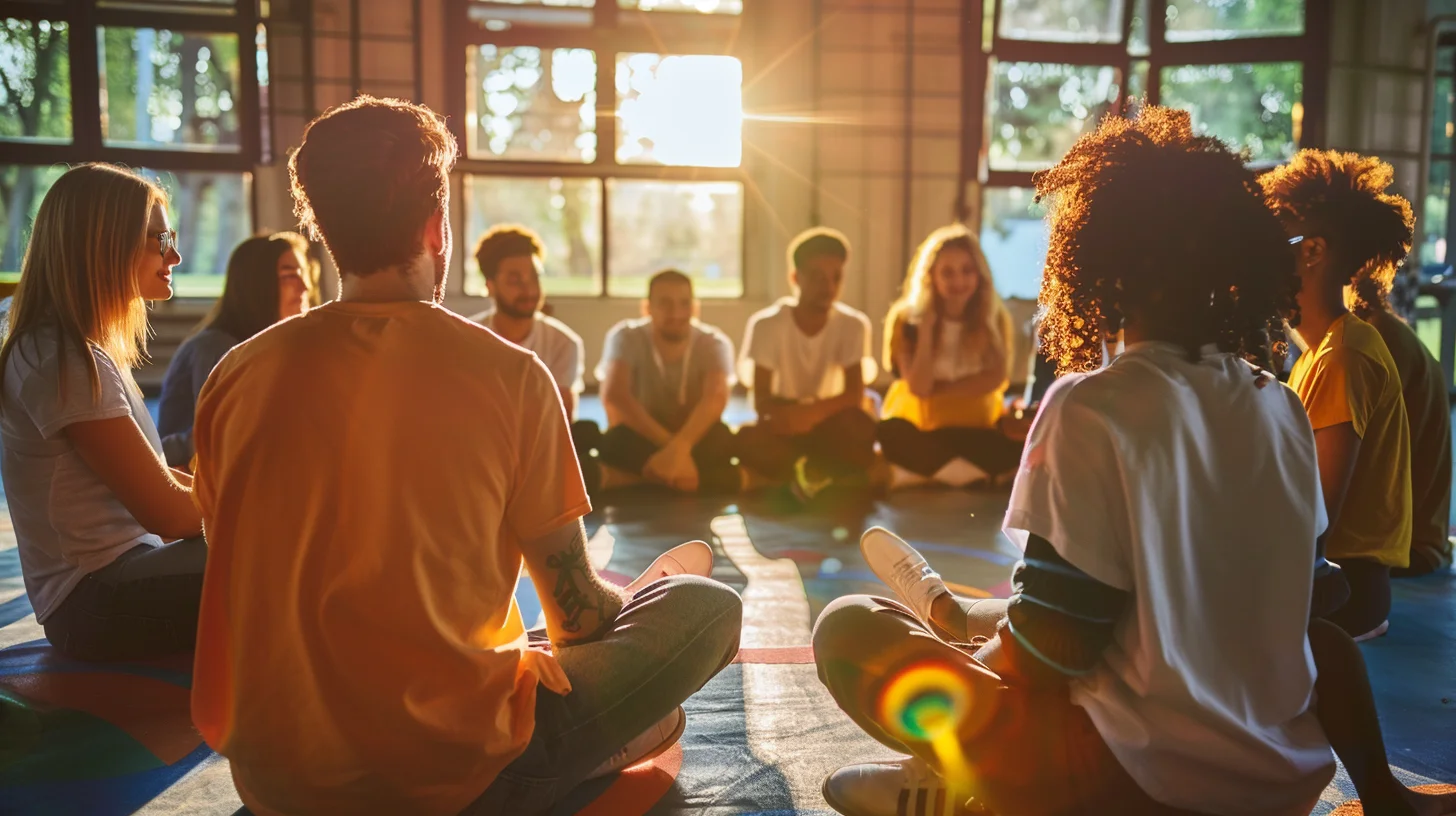
To begin with, organizing the gathering is essential. It is vital to select a date and time that accommodates all members of the team. Additionally, the duration needed for the various activities should be taken into account. In cases where the event features intricate activities or games, it might be wise to plan it for an entire day or possibly extend it into the weekend.
Furthermore, it is necessary to establish your financial parameters. The budget you set will influence the type of activities you can implement, the venue for the gathering, and the provisions for food and beverages. Keep in mind that for a team-building event to be deemed successful, it does not require a lavish approach; rather, it should be thoughtfully organized and pertinent to the dynamics of your team.
Choosing the Right Team Building Activities
At the core of any event designed to foster team cohesion are the various activities included. The overall effectiveness of such an event greatly hinges on how enjoyable and engaging these activities prove to be. It is crucial to select activities that embrace inclusivity and accommodate the wide-ranging interests and skills of the team members involved. Achieving an equilibrium between enjoyable pursuits and those that serve a specific purpose is vital; while enjoyable activities can captivate participants’ attention, those that are more goal-oriented will contribute to fulfilling the event’s intended objectives.
Executing the Team Building Event
The planning stage is over, and the day of the event has arrived. It’s now time to bring your plans to life.
Start the event with a warm welcome and an introduction to the day’s events and activities. This will help set the tone and get everyone excited about the day ahead. Ensure that all participants understand the rules and objectives of each activity and game. It’s also essential to keep the energy levels high throughout the event. Encourage participation and cheer on your teams.
During the event, observe the interaction between team members. Use this opportunity to identify any potential issues or areas for improvement. However, don’t forget to participate and enjoy the event yourself. After all, you are also a part of the team.
FAQ
What are the first steps in organizing a team-building event for a large group?
Initiate the planning process by defining the objectives you hope to achieve through the team-building event. This could include improving communication, fostering teamwork among members, or simply providing a fun and engaging experience for everyone involved. Once goals are established, estimate the size of the group, whether it be large or small, and consider the logistics, such as the venue, transportation, and budget. It’s also important to assess any potential scheduling conflicts and to send out a save-the-date notice well in advance to ensure maximum attendance. By doing this, you can create an environment conducive to collaboration and bonding among participants. Additionally, plan activities that promote teamwork, such as games and problem-solving challenges, which will enhance the group’s dynamics and allow members to work together effectively during the event.
How do I choose the right activities for a large group team-building event?
Select activities that are scalable to the size of your large group and can be enjoyed by participants with varying physical abilities and interests. Aim for a mix of activities that encourage collaboration, problem-solving, and creativity, ensuring they align with your objectives. Incorporate team-building games that are both fun and great for bonding among members. Consider professional facilitators who have experience in handling large teams and can tailor activities to your needs. Additionally, think about including icebreakers and smaller group challenges to promote a more intimate team-building experience. This will allow for effective collaboration among participants, enhancing the overall impact of the activities.
What is the ideal venue for a large group team-building event?
The ideal venue should comfortably accommodate the large size of your group and the various team-building activities planned. Look for spaces that offer flexibility, such as conference halls, outdoor parks, or retreat centers that can host large teams. Ensure the venue is accessible for all participants and provides the necessary amenities, such as audio-visual equipment, dining facilities, and rest areas. It’s also beneficial to have contingency plans for outdoor activities in case of inclement weather, ensuring that all members of the team can engage in the fun and collaborative games regardless of the conditions.
How can I ensure that the team-building event is inclusive for all participants?
To guarantee inclusivity, gather information about any dietary restrictions, accessibility needs, or personal preferences before the event. Design team-building activities that cater to a diverse range of skills and comfort levels, avoiding anything that might exclude someone based on physical ability or personal beliefs. It’s also crucial to create an environment where collaboration is encouraged and everyone feels their input is valued. Engaging participants in fun activities will foster a great sense of community among large groups. This can help in tailoring aspects of the event, such as problem-solving games or team exercises, to suit all attendees. Additionally, consider dividing participants into small groups to facilitate interaction among members, ensuring that every voice is heard and that team dynamics flourish. This approach will enhance the overall experience and effectiveness of your large team-building event.
What are the best team building ideas for large groups?
The most effective team building workshps for large teams include scavenger hunts, escape room challenges adapted for multiple groups, outdoor adventure courses, charity volunteer projects, and interactive workshops like cooking classes or creative arts sessions. These team building activities work well because they can be scaled to accommodate dozens or even hundreds of participants while maintaining engagement. Large-scale trivia competitions, sports tournaments, and collaborative construction challenges, such as building structures from recycled materials, also excel at fostering collaboration and bringing people together. The key is selecting activities that allow for both small group interaction and collective achievement, ensuring everyone feels involved regardless of the overall group size. Friendly competition and teamwork are essential components of these events, making them the best choice for an unforgettable team experience.
How can we ensure collaboration among participants during the event?
Ensuring collaboration requires intentional design and facilitation throughout the event. Structure workshops so that success depends on team members sharing information, combining skills, or coordinating efforts rather than individual performance. Incorporate engaging team building games that encourage friendly competition and creativity. Assign specific roles within each group to ensure everyone contributes, and rotate team compositions throughout the day to encourage cross-pollination of ideas. Create tasks, such as trivia or murder hunts, that require diverse perspectives to solve. Participants can work together in both small and large teams, tackling challenges that stimulate problem-solving and collaboration. Facilitators should actively monitor group dynamics, intervene when individuals dominate or disengage, and use debriefing sessions to highlight collaborative moments and discuss teamwork strategies that emerged during the day. This intentional planning enhances the overall experience and effectiveness of team building in the office.
How can creativity be incorporated into team building programs?
Creativity can be woven into team building through design thinking workshops, improvisation exercises, and collaborative art projects, or innovation challenges where large teams prototype solutions to real or hypothetical problems. Consider that such as creating company advertisements, writing and performing short skits, or participating in storytelling exercises where each group member adds to a narrative. Extensive office events like trivia games or problem-solving challenges can also boost collaboration.
Even traditional approaches can incorporate creative elements by asking teams to develop unique strategies, create themed presentations of their results, or design their own games for other groups. For instance, a scavenger hunt could turn into an exciting team event where smaller teams compete to solve clues throughout the city.
Additionally, incorporating workshop like a murder mystery or an egg challenge can provide a fresh twist on classic team-building events. The goal is to provide open-ended tasks that reward originality and encourage participants to think beyond conventional approaches while fostering collaboration within both large and small groups. Ultimately, these best practices in team building not only enhance the experience but also strengthen the bonds between team members.
What is the ideal duration for a large group team building event?
The ideal duration for large group team building events typically ranges from four hours to a full day, depending on objectives and participant schedules. Half-day events (4-5 hours) work well for focused activities that maintain high energy without causing fatigue, such as trivia games and friendly competitions among teams. On the other hand, full-day events (6-8 hours) allow for deeper engagement through multiple activity rotations, including team building challenges and collaboration exercises, providing meaningful reflection time. Multi-day retreats can be valuable for comprehensive culture-building, enabling large teams to immerse themselves in problem-solving activities and scavenger hunts, but they require significant commitment.
When determining duration, consider travel time, the complexity of workshops like a city hunt or cardboard boat race, necessary breaks for meals and rest, and participants’ attention spans. It’s better to end while energy is still high than to extend the program until participants become disengaged or exhausted. Transformative experiences in team building can lead to creativity and stronger bonds among team members, making these events truly unforgettable.
What logistics are involved in organizing a Team Building for a large teams?
Organizing large team building activities involves extensive logistical planning across multiple dimensions. Venue selection for these events must account for capacity, accessibility, breakout spaces, and necessary facilities like restrooms and parking. Transportation coordination may be required if the venue is off-site, along with managing arrival and departure schedules for participants. Equipment and materials for activities, such as team games and challenges, must be procured in sufficient quantities, with backup supplies available. Catering arrangements should accommodate dietary restrictions and provide adequate food and beverages throughout the day to keep everyone engaged.
Registration systems, name tags, team assignments, and communication plans ensure smooth check-in and coordination for large groups. Additionally, budget management, vendor contracts, liability waivers, and insurance are critical logistical considerations. Emergency protocols must be in place, and having adequate staff or volunteers to facilitate team building activities, like trivia challenges or friendly competitions, is essential. The overall aim is to foster collaboration and creativity among team members, making the experience enjoyable and memorable for everyone involved.
How can we foster friendly competition during team building activities?
Friendly competition can be fostered by establishing clear, fair rules and creating a point system or leaderboard that tracks team progress throughout the large event. Design challenges with achievable goals where multiple teams can succeed, and celebrate creative solutions rather than only rewarding winners. Incorporate humor and playful elements like team names, costumes, or themed activities to keep the atmosphere light. Offer varied prizes, including humorous awards for categories like “most creative approach” or “best team spirit,” alongside performance-based recognition. Ensure facilitators model good sportsmanship, emphasize learning and collaboration over winning, and structure team activities so that different teams can excel in different areas, preventing any single group from dominating all challenges. Additionally, consider implementing team-building games such as a scavenger hunt or a murder mystery problem-solving challenge to enhance the experience for participants and foster smaller teams within the larger groups. These engaging activities will not only promote teamwork but also provide an opportunity for creativity and friendly competition, making this moment a memorable one for all.
How do we effectively manage different group dynamics in large teams?
Managing diverse group dynamics in a large team building requires preparation, observation, and adaptive facilitation. Pre-assess participant personalities and relationships when possible to create balanced teams mixing introverts with extroverts, senior with junior staff, and different departments. Train facilitators to recognize problematic dynamics like dominant personalities overshadowing others, cliques forming, or individuals withdrawing. Implement structured processes like round-robin sharing where everyone contributes, use anonymous input methods for brainstorming, and establish ground rules about respect and inclusion at the outset.
For large groups, consider incorporating team-building activities that promote collaboration and creativity, fostering a friendly competition among participants. Activities such as trivia games or problem-solving challenges can enhance the overall experience while ensuring that all team members engage.
Be prepared to shuffle team compositions between activities if dynamics aren’t working, provide quiet spaces for those who need breaks, and offer multiple participation styles so people can contribute in ways that suit their comfort levels. Engage in mystery hunts or design cardboard challenges that emphasize teamwork and creativity. Additionally, keep an array of ideas for team-building events handy to ensure that each gathering fosters collaboration and builds strong teams within the office.
What are some team building activities that require problem-solving skills?
Problem-solving activities include escape room challenges where teams must decipher clues and solve puzzles under time pressure, bridge-building competitions using limited materials, and “marshmallow challenges” where groups construct the tallest structure supporting a marshmallow. Additionally, case study simulations addressing business scenarios offer participants a unique experience. Murder mystery events require deductive reasoning and information synthesis, while strategic games such as complex board games or business simulations demand analytical thinking and collaboration among team members.
Outdoor survival challenges, navigation exercises with maps and compasses, and “lost at sea” ranking activities where teams must prioritize items for survival all promote critical thinking and creativity. Large groups can also engage in technology-based options, which include coding challenges, robotics competitions, or virtual reality problem-solving scenarios that engage teams in collaborative analysis and solution development. These diverse activities and games are perfect for team building events, fostering teamwork while ensuring a memorable experience for all participants. The best team building ideas involve both fun and competition, turning work into an enjoyable and productive environment that strengthens group dynamics.
What considerations should be made for accessibility during team events?
Accessibility planning must address physical, sensory, cognitive, and cultural needs to ensure inclusive participation for all team members during large events and activities. Choose venues with wheelchair access, elevators, accessible restrooms, and parking close to entrances, ensuring that large groups can gather comfortably. Design team building activities that can be adapted for various mobility levels, offering alternative ways to participate that don’t require physical exertion, thus fostering collaboration among participants. Provide materials in multiple formats including large print, digital versions, and accommodations for visual or hearing impairments such as sign language interpreters or captioning during group activities.
Consider dietary restrictions, allergies, and religious observances when planning meals and scheduling team events. Allow for sensory sensitivities by avoiding overly loud environments or providing quiet spaces, crucial for trivia games and other friendly competitions. Communicate accessibility features in advance, inviting participants to disclose needs confidentially, and ensure facilitators are trained to make real-time adjustments. Engaging challenges and creative options can greatly enhance the experience for large teams, making the overall seminar more rewarding and inclusive.
How can we evaluate the effectiveness of our team building activities?
Effectiveness evaluation should combine immediate feedback with longer-term impact assessment, particularly in large team building events. Distribute post-event surveys asking participants to rate their experience, perceived value, and specific learnings related to team activities and games, including both quantitative scales and open-ended questions. Conduct follow-up surveys 30, 60, and 90 days later to assess lasting behavioral changes and relationship improvements stemming from group collaboration activities.
Measure tangible metrics like employee engagement scores, collaboration frequency across departments, project completion rates, and retention statistics before and after large group events. Focus on best practices for team building activities, ensuring that all people involved in the team experience feel included and valued. Hold focus groups or interviews with participants and managers to gather qualitative insights about the challenges faced during team activities and mystery competitions.
Observe workplace interactions for signs of improved communication and trust. Additionally, consider the effectiveness of specific games like scavenger hunts and cardboard boat building in engaging teams. Compare investment costs against measurable outcomes to see how well these building activities have impacted team dynamics, and use findings to refine future team building initiatives for continuous improvement. Engaging in these efforts will ultimately help to foster a more creative and collaborative office environment, ensuring that large groups are effectively unified and ready to tackle any problem together.
What role does communication play in successful team building events?
Communication is the foundation of successful team building activities, serving as both a skill to be developed and a mechanism for success. Before large events, clear communication about objectives, schedules, expectations, and logistics ensures participants arrive prepared and engaged. During group activities, effective communication enables teams to strategize, delegate tasks, resolve conflicts, and achieve goals collaboratively. Many team building exercises specifically target communication skills such as active listening, giving and receiving feedback, and articulating ideas clearly under pressure.
In team challenges, like scavenger hunts or murder mysteries, team members must rely on strong communication to solve problems and navigate through the experience. Facilitators must communicate instructions precisely and check for understanding, creating environments where people feel safe expressing themselves. Incorporating friendly competitions in group games fosters creativity and collaboration among teams.
Post-event communication through debriefing sessions helps translate experiences into actionable workplace behaviors, reinforcing lessons learned and maintaining momentum for improved team collaboration. Ultimately, the best team building activities, whether they involve solving challenges as smaller teams or engaging in trivia games, are those that strengthen connections and enhance overall teamwork within the office.
How can we incorporate feedback from participants to improve future events?
Incorporating participant feedback requires establishing systematic collection and analysis processes that transform insights into actionable improvements for team building events. Distribute surveys immediately after large events while experiences are fresh, asking specific questions about activity effectiveness, facilitator performance, logistics, and overall satisfaction regarding various activities, including team games and trivia. Create anonymous feedback channels to encourage honest critique and follow up with select participants through interviews or focus groups for a deeper understanding of their experiences.
Analyze feedback patterns to identify recurring themes, particularly in collaboration challenges faced by large groups and smaller teams during problem-solving activities. Prioritize changes based on frequency and impact, and share results with stakeholders, demonstrating how previous feedback shaped current improvements in team building and friendly competition events. Close the feedback loop by communicating implemented changes to participants, showing their input genuinely matters in team activities such as murder mystery games and giant egg challenges.
Maintain a continuous improvement database tracking suggestions across multiple events, incorporating the creative perspectives of the people involved. Consider forming a participant advisory committee that helps design future activities based on collective employee perspectives, focusing on enhancing the overall group experience in city-building and office team building initiatives.
What themes can we explore for our large group team building activities?
Compelling themes can transform ordinary team building activities into memorable experiences that reinforce organizational values and culture among people and participants. Popular options include adventure and exploration themes with large group scavenger hunts or expedition challenges for teams, as well as innovation and creativity themes featuring invention competitions or design thinking workshops. These activities foster collaboration and problem-solving while ensuring participants have fun.
Social impact themes centered on community service or sustainability projects allow members to bond and work together with a shared purpose. Seasonal themes like summer olympics, winter festivals, or harvest celebrations add festivity to large groups, while decade-themed events (80s, 90s) or cultural celebrations promote appreciation of diversity among smaller teams. Company-specific themes might reflect your mission, products, or upcoming initiatives, such as “pioneering the future” for tech companies or “building bridges” for organizations emphasizing collaboration.
In all of these team building activities, it’s essential to use great materials and divide participants into smaller groups to enhance their engagement and collaboration. These experiences ultimately create lasting bonds amongst team members and strengthen the group’s dynamic.
How can we balance fun and learning in a team building experience?
Balancing fun and learning requires thoughtful integration where enjoyment becomes the vehicle for meaningful development rather than a distraction from it. Design activities that are inherently engaging, such as team-building games that encourage collaboration within large groups, while embedding learning objectives naturally into gameplay. Incorporate communication challenges disguised as entertaining puzzles or leadership exercises framed as adventure quests to enhance group dynamics among team members. Avoid heavy-handed debriefing that kills momentum; instead, weave brief reflection moments throughout activities and save deeper analysis for strategic points during large events. Use humor, music, and playful competition to maintain energy while ensuring activities have clear connections to workplace skills and the purpose of team bonding.
Vary the pace between high-energy fun and reflective learning moments, allowing participants to divide into smaller teams or work in larger groups. Give participants choice in how they engage so both extroverts seeking excitement and introverts preferring thoughtful discussion find value in the collaborative experience. The most successful games make learning feel effortless because participants are so engaged in enjoyable activities that skill development happens organically through experience rather than explicit instruction. Whether it’s through small groups working on problem-solving or large teams participating in dynamic activities, the key lies in fostering an environment where every member feels included and motivated.
Other publications on the same subjet
- How do you prepare for a team building event?
- How to organize a successful team-building event for the Management Committee ?
- What are the main types of Team Building Activities?
This article has been written by Marc Prager.