




Communication Activities
Communication is the lifeblood of any team. Without effective communication, confusion and conflict can arise, leading to decreased productivity and morale. That's where communication activities come in. One great communication activity is “Back-to-Back Drawing”. This exercise involves two team members sitting back to back. One person is given a picture or shape, and they must describe this image to their partner, who then attempts to draw it based only on their partner's verbal instructions.
Problem Solving Activities
When teams face real challenges, their problem-solving skills are put to the test. Problem-solving activities help teams learn to collaborate and overcome obstacles together. The "Egg Drop Challenge" is a classic example: teams are given materials such as straws, tape, and paper, and tasked with building a contraption to protect an egg from a high drop. It's a fun, hands-on way to foster creativity and teamwork.
Making Team Building Irresistible, Not Mandatory
As practitioners supporting organisational growth, we consistently emphasise one principle to our clients: make team building irresistible, not compulsory. Scheduling these activities is important, but respecting employees' autonomy to choose their level of involvement is equally vital. Forced attendance breeds resentment, while attractive, well-designed programs generate enthusiasm.
When team members gather voluntarily around shared experiences, the bonds formed are far more meaningful and contribute to lasting improvements in how teams function together. This is precisely how forward-thinking companies develop Team Cohesion with Team Building—by attracting participation rather than demanding it.
Team Bonding Activities
While tasks and projects are important, it’s also critical for team members to connect on a personal level. After all, people who enjoy each other's company are more likely to work well together.

Team bonding activities like "Two Truths and a Lie" are great for fostering such connections. In this activity, each person shares two true statements and one false statement about themselves, while others try to guess the lie. It’s a fun, engaging way to learn more about each other beyond the confines of work.
Outdoor outings can also serve as great team bonding activities. Whether it's a picnic in the park, a team sports day, or a hiking trip, these activities allow team members to interact in a relaxed, informal setting. It's a great way to foster camaraderie and reinforce the feeling of being part of a team.
Motivational Activities
While it’s important for a team to work well together, it’s also crucial that team members feel motivated and invested in their work.
Recognition activities, like "Employee of the Month" or "Spot Awards", are great ways to motivate team members. By recognising and rewarding individual achievements, you can boost morale and motivation, leading to increased productivity and engagement.
Similarly, goal-setting activities can serve as powerful motivational tools. By setting clear, achievable goals as a team, members can have a clear understanding of what they're working towards. This not only motivates them to do their best, but also fosters a sense of shared purpose and direction.
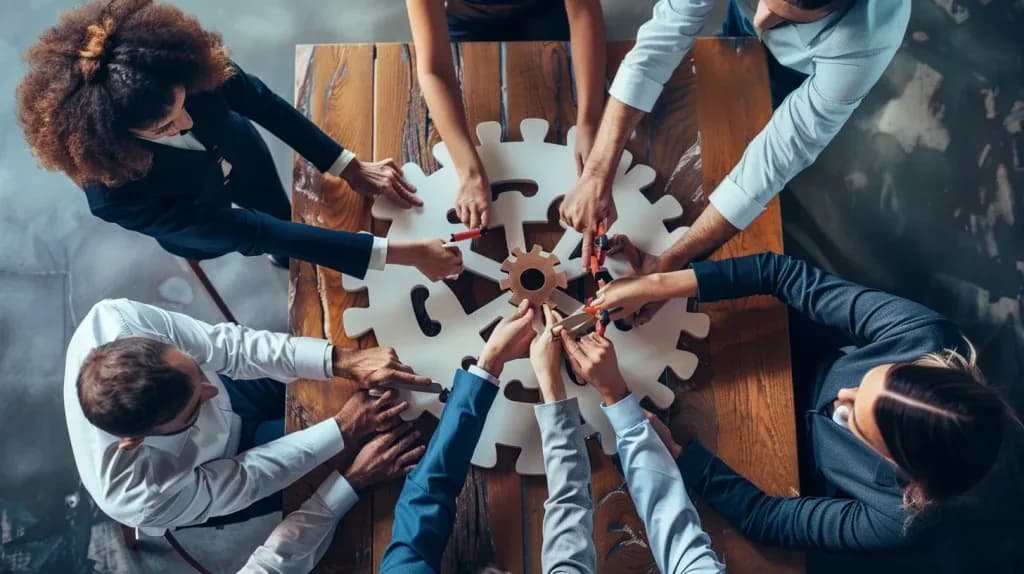
Whether your team is struggling with communication, trust, motivation, or simply needs to bond, there's a team building activity out there that can help. Remember, the goal of these activities is not just to have fun, but to enhance the skills and relationships that make your team stronger. A well-chosen team building activity can make a huge difference to your team’s dynamics and ultimately, its success.
FAQ
What are the primary categories of team building activities?
Team building activities can be broadly classified into several categories. The main types include communication activities, designed to enhance verbal and non-verbal communication within a team; problem-solving and decision-making activities, focusing on the team's ability to work together to solve complex issues; planning and adaptability activities, which test and improve the team's ability to strategise and adapt to changing conditions; trust-building exercises, aimed at fostering trust among team members; and physical or recreational activities, which can promote teamwork in a more relaxed and informal setting while also encouraging physical health.
How do problem-solving activities benefit a team?
Problem-solving activities help teams learn to work together more effectively. They require team members to collaborate, communicate, and pool their knowledge and skills to overcome obstacles or puzzles. These activities often simulate real-life challenges that teams might face, encouraging them to think critically and strategically. The shared experience of tackling a problem can also serve as a strong bonding experience, improving team cohesion and morale.
Can physical activities be considered effective for team building?
Yes, physical activities can be quite effective for team building. They encourage team members to engage in a non-work-related setting, which can break down formal workplace barriers and promote informal interaction. Physical challenges can also stimulate teamwork, leadership skills, and trust, as team members often need to rely on each other to complete tasks. Moreover, physical activities can be energising and fun, offering a refreshing break from the office environment.
What role do trust-building exercises play in a team's development?
Trust-building exercises are crucial for the development of a team as they lay the foundation for a strong and cohesive group. These exercises help build confidence in each other's abilities and intentions, which is essential for effective collaboration. When team members trust one another, they are more likely to communicate openly, share responsibilities, and support each other in achieving common goals. A lack of trust, on the other hand, can lead to miscommunication, conflict, and reduced productivity.
Other publications on the same subject
- How to organise a successful team-building event for the Management Committee?
- How to organise a team building event for a large group?
- How do you prepare for a team building event?
This article was written by Marc Prager.