

What Is the C in the DISC Personality Test?
DISC personality assessments produce four types, and C-style is one of them. People with a type C DISC personality are detail-oriented, precise, and data-driven, and their conclusions tend to be logical and analytical. They back their arguments with well-researched facts and figures, hold the bar high on their own work, and maintain high expectations of others. Where they can fall short is on the emotional side — they can be quick to judge others by their own work standards.
Is the C Personality Helpful to a Team?
Type C personalities are essential to a team for their ability to examine every detail thoroughly. Often seen as the brains of the group, they research and analyse every piece of information to spot problems within a subject. Logic and precision guide how they resolve conflict, and quality and accuracy remain their core values throughout.
What Are the Benefits of DISC Profiles for Team Building Sessions?
Using DISC profiles in team-building sessions sharpens your understanding of each member's communication style, fostering better collaboration and cutting down on conflict. Identifying personality traits lets you tailor your approach to teamwork, making sure everyone's strengths are put to good use.
In our training and team-building workshops, we use DISC profiles to build more balanced team dynamics and lift productivity. Assigning roles that play to individual strengths translates into higher morale and stronger motivation.
Motivating Factor for C-Type Personalities
For people with C-style traits, logic and accuracy matter more than anything else. They prefer written instructions over verbal ones to keep things under control, and they visualise the end goal before devising a systematic approach to get there.
They tend to base decisions on information rather than emotion. While completing assigned work, they check the instructions at regular intervals to produce error-free results within the given time.
General Characteristics of C Style Personalities
The DISC profile assessment identifies four personality traits that combine into twelve behavioural styles, each with its own characteristic behaviour. The C personality type takes the form of dominance and conscientiousness (DC), conscientiousness and dominance (CD), conscientiousness and steadiness (CS), or steadiness and conscientiousness (SC). These people work well independently and are often seen as:
- Accurate
- Submissive
- Detail-oriented
- Systematic
How Do You Communicate With a C Style Personality?
The analyst, or C-style personality, brings real value to a team: accuracy, stability, precision, and a healthy dose of challenge. Come well-prepared, and communicate using facts and research rather than emotion — emotional appeals won't win them over. Give them time to analyse the information you've shared and reach their own logical conclusion. People with this steady temperament earn trust quickly, since they tend to follow through on every commitment while working hard to avoid any human error.
How Do C Type Personalities Deal With Stress?
C-type individuals are known for their reserve and their accuracy. They tend to avoid unnecessary social interaction, preferring to work alone and taking pride in being precise and detail-oriented. An unorganised workplace or last-minute changes can stress them out, and because they're so invested in getting their work right, they fear being criticised. They're also not naturally comfortable expressing emotion, and showing strong feelings doesn't come easily to them.
In What Environment Does the C Type Personality Thrive?
C-type personalities favour an organised, controlled workplace, working best when they're autonomous and independent. They gravitate toward tried-and-tested methods to avoid any inconvenience, and they want reassurance along with a clear set of instructions to properly take in information. As introverts, they tend to steer clear of too much socialising at work, preferring to work alone in a quiet setting where they can focus closely on detail. Sustained stress can lead to real health problems — mental strain and heart disease among the most common — so giving these individuals the environment they need is the best way to help them perform at their best.
Famous Personalities With a C Profile Type
DISC isn't a measure of intelligence — it's simply a way to understand human psychology, one that can lead to better productivity, sharper communication, and stronger personal and professional relationships. A quick search turns up plenty of well-known figures said to carry C-type traits, among them Sherlock Holmes, Hermione Granger, Albert Einstein, and Bill Gates.
C-Style Profile Type as Leaders
The two traits that make type C people strong team leaders are consistency and accuracy. They tend to keep a certain distance from social gatherings and from people at work, focused instead on making sure everyone follows the rules. Their detailed explanations and organised information help team members grasp every task fully, and by flagging the consequences of each decision in advance, they keep the situation firmly under control.
What Is a High C Personality Type?
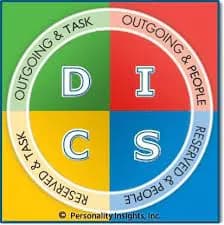
Beyond being introverted and reserved, people with a high C value are strongly task-oriented. Leaders with high C traits expect everyone to meet their own high bar. Under stress, C-type individuals often sidestep conflict by changing the subject, and uncertainty makes them wary of spontaneous decisions and last-minute changes. Over-analysis, isolation, and a fear of criticism can all limit how far a high-C individual reaches their potential.
Key Traits of Type C Personality
Type C people tend to be proud and serious, steering clear of casual conversation in favour of solid, fact-based information. Their resolute approach and strict standards leave a real impression on others, and during conflict they can become stubborn about their position, driven by a fear of failure. Research points to two core traits behind the C personality: self-restraint and passivity — which, under conflict, can show up as passive-aggressiveness.
The strengths and weaknesses of a type C personality can be put to good use to improve the quality and accuracy of the work. On top of that, DISC exercises and team-building activities can help them connect and build stronger relationships with their colleagues.
Other Articles About DISC
This article was written by Marc Prager.