




Understanding the Dominance (Red) Style in DISC Profile
The DISC model sorts personality into four distinct styles, each linked to specific behavioural traits. The Dominance (Red) style is defined by assertiveness and decisiveness. People with this profile are often natural leaders, comfortable taking risks and making quick calls under pressure. Dominance-oriented individuals are goal-driven and tend to thrive in challenging, fast-moving environments.
The Dominance (RED) Style Profile, born leaders
They are often found in leadership roles, where their ability to make tough calls is highly valued. These individuals are also known for their high energy levels, which they channel into pursuing ambitious goals. Understanding the Dominance style, you can put the strengths of these team members to better use. Their drive and determination can be a significant asset, particularly in high-pressure situations.
Key Traits and Strengths of Dominance Style Team Members
Recognising the key traits of Dominance style team members helps you make the most of their strengths. These individuals are typically self-confident, assertive, and unafraid to challenge the status quo. They are results-driven and have a clear vision of what they want to achieve. Their decisiveness can be particularly valuable in situations that require swift action.
Using DISC in individual coaching benefits a leader by sharpening self-awareness and refining how they communicate. For a Dominant Red profile specifically, coaching tends to focus on goal-setting, decision-making, and leadership presence — building self-awareness of how their directness lands on others, which in turn supports more deliberate professional growth.
Enhancing Communication with Dominance Style Team Members
The 4 main DISC styles are dominant (red), influential (yellow), steady (green) and conscientious (blue). Effective communication is critical to optimising team performance, particularly when working with Dominance-style individuals. These team members appreciate direct, straightforward communication: they value clarity and efficiency, and can quickly grow frustrated by long-winded explanations or unnecessary detail.
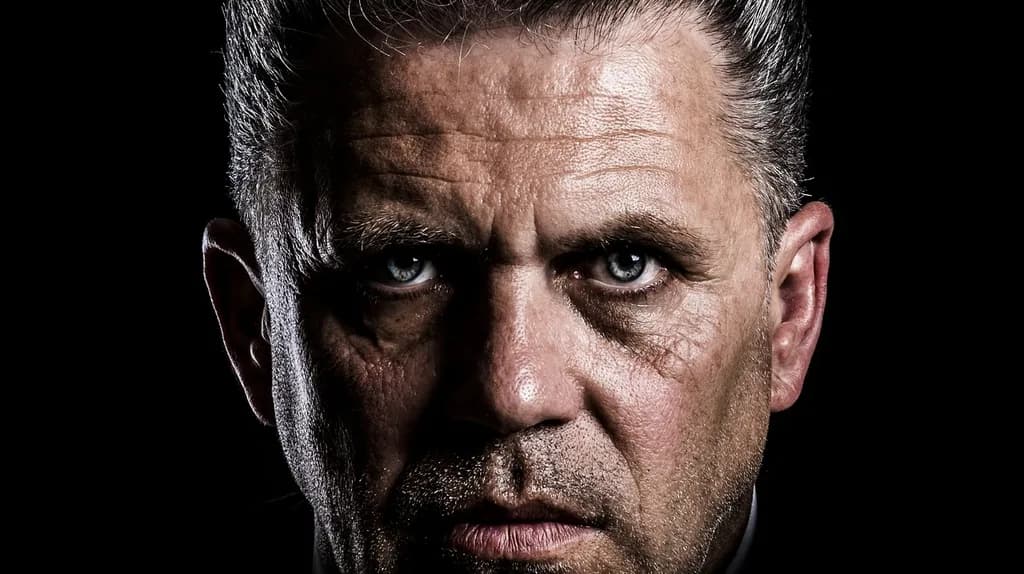
When communicating with Dominance-style team members, it's essential to be clear and concise. Stick to the key points and avoid beating around the bush — they prefer conversations that are to the point and actionable. Giving them the information they need to decide quickly helps keep their motivation and engagement high.
Another important aspect of communication is feedback. Dominance-style individuals generally appreciate constructive feedback that is focused on results — they are often more interested in how to improve their performance than in receiving praise. When giving feedback, be specific about what needs to change and offer actionable next steps.
Leadership Strategies for Managing Dominance Style Team Members
Managing Dominance style team members requires a fairly nuanced approach — one that makes use of their strengths while managing the challenges that can come with them. These individuals tend to thrive in environments where they have a real sense of control and clear, measurable goals to work towards.
One effective strategy is to provide them with autonomy. Dominance style individuals perform best when they have the freedom to make decisions and take ownership of their tasks. Micromanaging them can lead to frustration and decreased productivity. Instead, set clear expectations and allow them the latitude to achieve their goals.
It’s also essential to challenge them. Dominance style team members are motivated by opportunities to demonstrate their capabilities. Providing them with challenging projects and responsibilities can help keep them engaged and driven. Setting ambitious targets and recognising their achievements can further fuel their motivation.
Integrating Dominance Style Insights into Team Dynamics
Understanding the Dominance style can meaningfully lift overall team performance once it's properly integrated into team dynamics. By recognising both the strengths and the potential friction points of this personality type, a manager can build an environment where all team members have room to thrive.
One approach is to align roles and responsibilities with individual strengths. Dominance style individuals excel in leadership and decision-making roles. Positioning them in roles where they can leverage these strengths can lead to better outcomes for the entire team. At the same time, ensure that you have a balance of other personality types to promote a well-rounded team dynamic.
Another critical aspect is fostering mutual respect and understanding among team members. By educating the team about the different DISC styles, you can promote greater empathy and appreciation for each other's strengths and communication preferences. This can lead to more effective collaboration and a stronger sense of team cohesion.

FAQ
What is the Dominance (Red) Style in the DISC Profile?
The Dominance (Red) Style in the DISC Profile describes individuals who are assertive, goal-oriented, and driven by results. They are often seen as natural leaders, known for their decisiveness and readiness to take charge. These individuals tend to thrive in environments where they can tackle real challenges and achieve their objectives efficiently.
How can the Dominance Style contribute to team performance?
Individuals with a Dominance Style can significantly enhance team performance by setting clear goals, driving progress, and maintaining a strong focus on outcomes. Their assertiveness helps to ensure that tasks are completed promptly, and their leadership qualities can inspire and motivate team members to strive for excellence. Their natural inclination to take charge can also streamline decision-making processes and reduce delays.
What are some potential challenges when working with someone who has a Dominance Style?
While the Dominance Style brings many strengths, it can also present challenges. These individuals may sometimes come across as overly aggressive or impatient, which can lead to conflicts within the team. Their focus on results might overshadow the importance of collaboration and relationship-building. It's essential to find a balance and ensure that their drive does not alienate other team members.
How can team leaders manage and support individuals with a Dominance Style?
Team leaders can manage and support individuals with a Dominance Style by providing them with challenging tasks and clear objectives. It's important to give them autonomy while also setting boundaries to prevent them from overpowering others. Regular feedback and recognition of their achievements can keep them motivated. Encouraging open communication and fostering a culture of mutual respect can help mitigate potential conflicts.
What strategies can be used to integrate the Dominance Style with other DISC profiles in a team?
To integrate the Dominance Style with other DISC profiles, it's crucial to leverage the strengths of each style. Encourage open dialogue to understand different perspectives and foster a collaborative environment. Assign roles and responsibilities that align with each member's strengths. Facilitate team-building activities to enhance understanding and cooperation among team members. By creating a balanced dynamic, teams can harness the diverse qualities of all DISC profiles to achieve optimal performance.
Other publications on the same topic
- The Influence (Yellow) Style in DISC Profile: Enhancing Collaboration
- The Steadiness (Green) Style in DISC Profile: Strengthening Stability
- The Compliance (Blue) Style in DISC Profile: Achieving Precision
This article was written by Marc Prager.