

How Does a DISC Assessment Work?
DISC results aren't meant to judge anyone — they decode a person's behavioural language when faced with a challenging situation. The assessment itself is a series of questions: simply pick whichever option suits you best. There's no need to prepare beforehand; the only requirement for accurate results is to answer as naturally as possible.
What Does DISC Measure?
Dominance, Influence, Steadiness, and Conscientiousness are the four personality types the DISC measures, with individual results generated from your questionnaire responses. These reports aren't designed to assess intelligence — only to show how you naturally react, and how your characteristic personality type shows up in practice.
How Does DISC Help in Leadership?
DISC Assessment sharpens leadership by building self-awareness, helping you recognise your natural leadership style. Understanding your strengths and limitations lets you adapt to different situations and become a more effective leader.
It also improves how you relate to others. Identifying your team members' DISC types lets you tailor your communication and management approach, boosting motivation, collaboration, and overall team performance.
What Do Employers Look For in a DISC Test?
DISC certification and training have become essential for any organisation looking to work more systematically while keeping its teams aligned. Once your DISC profile results come through, take the time to read and absorb every detail rather than skimming the surface. Once you fully understand yourself, turn that same attention to the people around you at work. DISC reports are deliberately compact and easy for everyone to follow.
Employers use these assessments to learn about their people's strengths and weaknesses across leadership and management roles. Assigning the right role to the right person can work wonders for an organisation, driving sales and turning prospects into loyal customers. Understanding the personalities at play also helps employers work out how to introduce reforms, improve working patterns, and bring about the change they need.
How Long Does a DISC Profile Assessment Take?
A DISC assessment takes around 20 to 25 minutes to complete. This self-awareness tool supports both personal and professional growth, and you can work on the weaker areas of your personality through different activities and training. These exercises don't need to be formal — they can be engaging and genuinely fun, delivered through audio, video, or any other digital format that connects your team at work. Exercises built around music are a great icebreaker for kicking off communication between teams, and you can store what you learn to help you balance every team with a good mix of all four personality types down the line.
For remote access to these interactive activities, cloud storage and video calls make it easy to reach everyone wherever they're working. It's also worth issuing certification after DISC training activities, to encourage maximum participation from management and staff alike — and to invite everyone on the team to suggest workplace improvements, share feedback on management decisions, and reflect on each other's behaviour.
The Four DISC Quadrants
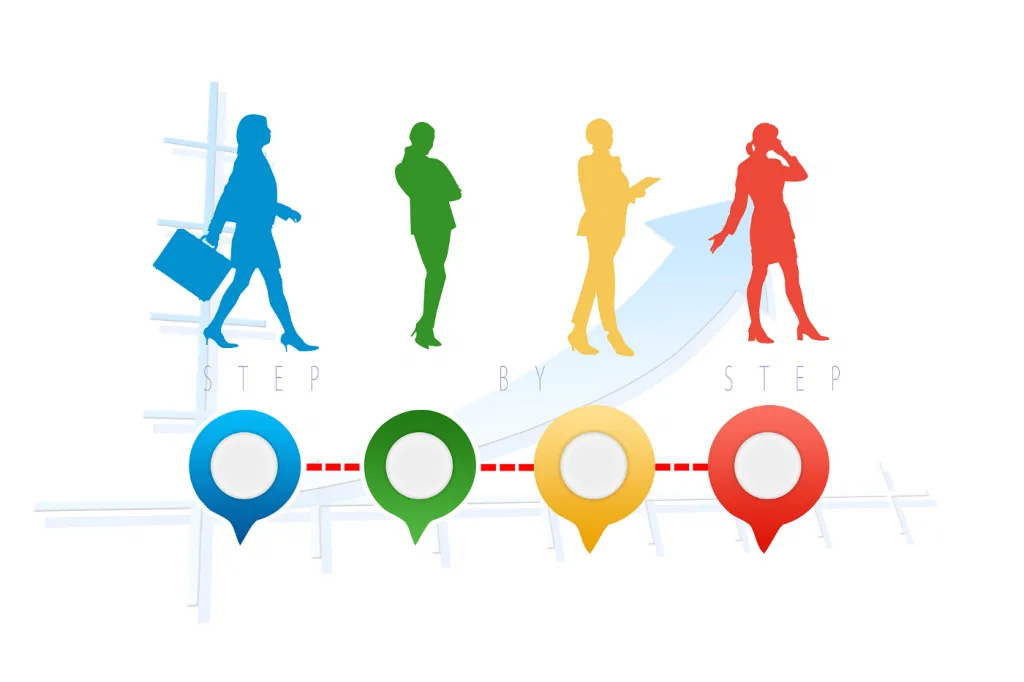
The DISC assessment is an excellent way to standardise hiring and training across an organisation. DISC results show that personality style splits into four quadrants, each representing distinct characteristic behaviour. Every person carries layers of personality that surface in different situations — but the outer layer, the dominant style with the highest percentage, is the one that shows up in day-to-day life.
Used well, a DISC assessment can genuinely change workplace culture for the better, surface leadership qualities, boost sales, and sharpen management's decision-making. Understanding your results is what lets you put the DISC personality system to work.
The two axes of the DISC model split personality style into four categories, each with its own strengths and weaknesses. The dominant type tends to suit leadership and management roles best; an influential personality is often the team's most sought-after player; a steady style delivers proper, systematic work; and conscientious profiles are known for their accuracy.
Can You Fail a DISC Assessment?
No — there's no pass or fail criteria for a DISC assessment. The report simply explains your personal instincts and behaviours in certain situations. That said, your recruiter or trainer may be looking for a specific personality style for a given role, and your results could line up with that or not.
A DISC profile assessment can help you grow professionally, and the compact report is just as useful in a personal capacity. The single most important step is to read and understand your profile thoroughly before acting on it. Whether you're looking to make a change or build new connections, communication is the key to success. In today's digital world, work has largely moved online, and you often only get to make your point through audio or video rather than meeting people face to face. In those circumstances, strong communication, conflict resolution, negotiation, and persuasion skills can make all the difference.
In short, the value of DISC assessment certification today can't be overstated. Online DISC profiling is a genuinely useful way to close any personality gaps you might have.
Other Readings About DISC
- DISC Marston: Decoding the Four Temperaments
- DISC Personality test: the colors red yellow green blue
- DISC Consultant
- DISC personality Tool
- DISC Personality Profile
- DISC Personality Test
- DISC Profiles: All Personality Types Explained
- DISC Online Training
- History of DISC
- DISC Personality Types: an Insight into Manager's Style
- DISC Training
- DISC Communication Exercises: Activities For Each Style
This article was written by Marc Prager.