




The Essence of Women’s Leadership
Women's leadership refers to the exercise of leadership by women in roles ranging from senior executive to entrepreneur, politician, and community leader. It encompasses the particular skills, strategies, and qualities women bring to these roles. What counts as a good leader has itself evolved over time, shifting away from the autocratic, command-and-control model once favoured, towards a more participatory and inclusive approach.
An empathetic approach to leadership
In this new paradigm, many argue that women's leadership styles bring exactly the empathetic, communicative, and collaborative approach organisations increasingly need. That said, women's leadership isn't a single, monolithic style — just like men, women leaders come from diverse backgrounds and bring different strengths and approaches. If there's a common thread, it's a shared commitment to making a difference and advancing equality.
What are the benefits of training women managers in leadership?
Our consulting approach focuses on training leaders in situ, building capability from within their own organisation. We support women in stepping into higher-level roles, helping foster a more inclusive decision-making process. By strengthening their leadership skills, we help unlock their potential to drive innovation, improve team performance, and build stronger organisational cultures.
Investing in their leadership growth also helps narrow the gender gap in executive positions over time. In turn, the organisation benefits from more diverse perspectives and strategic thinking, which tends to translate into better business outcomes.
Women Leadership Development Programs
Recognizing the value that women bring to leadership roles, many organizations have started implementing women leadership development programs. These programs are designed to equip women with the necessary skills and confidence to take on senior positions and thrive.

These programs often feature mentoring, networking opportunities, leadership workshops, and skill-building sessions on topics such as negotiation, strategic thinking, and conflict resolution. They aim to address the unique challenges that women leaders may face, including gender bias and work-life balance issues.
Breaking Through the Glass Ceiling
Despite real progress towards gender equality in leadership, women still face significant hurdles on the way to senior positions. These barriers — often referred to as the 'glass ceiling' — can include unconscious gender bias, a lack of visible role models, and the ongoing pressure of balancing work with personal life.
Consequently, to promote women's leadership, it's necessary to address these barriers. This could involve creating supportive workplace cultures, implementing flexible work policies, and providing mentoring opportunities for women.
The Future of Women's Leadership
The future holds great promise for women's leadership. As societal attitudes continue to evolve, it is anticipated that more and more women will step into leadership roles, bringing their unique perspectives and skills to the table.
In addition, the success of current female leaders serves as an inspiration for future generations of women who aspire to lead. Their achievements highlight the fact that leadership is not a gender-exclusive domain, but one in which everyone has the potential to excel.
Executive Education for Women Leaders
Executive education programs designed specifically for women leaders have gained significant popularity over recent years. These programs are an essential component of leadership development, equipping women with the advanced skills and knowledge required to excel in executive roles.
Typically, these programs cover a wide range of topics, including strategic decision-making, negotiation tactics, crisis management, and effective communication. They also often include modules dedicated to addressing the unique challenges faced by women leaders, such as managing gender bias and balancing professional and personal life.
Executive education programs also provide invaluable networking opportunities. They bring together women leaders from different sectors, allowing participants to share experiences, learn from each other, and form supportive professional networks.
The benefits of executive education programs for women leaders extend beyond the individual participants. Organizations that invest in these programs stand to gain from the enhanced skills and perspectives that their female leaders bring to the table. Such benefits can include improved decision-making, increased innovation, and a more inclusive organizational culture.
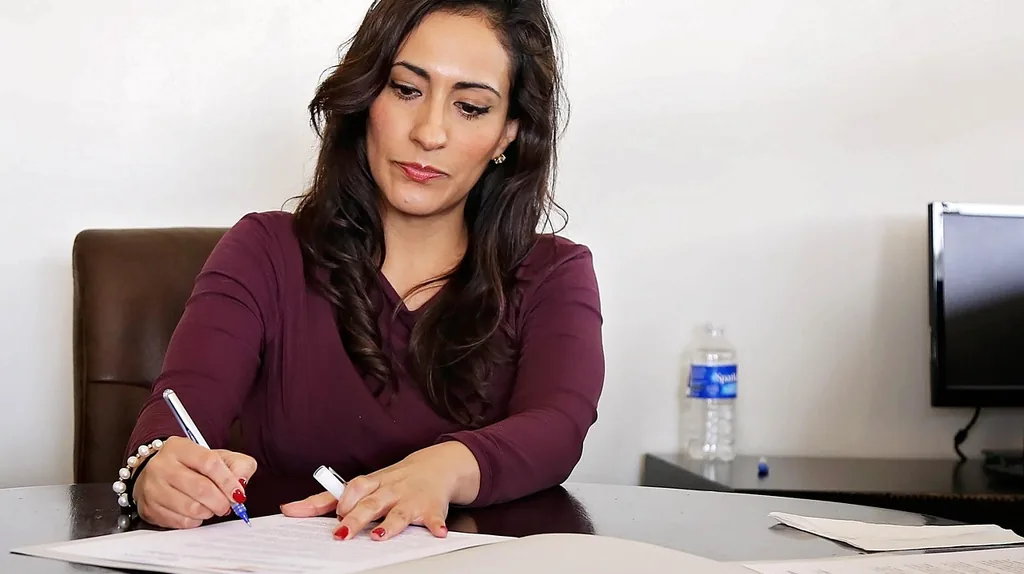
The landscape of women's leadership has evolved significantly over the past decades, with rising numbers of women taking up leadership roles across different sectors. However, despite this progress, gender equality in leadership positions is still far from being achieved.
FAQ
What is women's leadership?
Women's leadership refers to the practices and styles of leadership often exhibited by women, though not exclusive to them. This can include how women lead teams, make decisions, and inspire others — frequently with an emphasis on collaboration, empathy, and inclusive decision-making.
Why is women's leadership important?
Women's leadership is crucial because it brings diverse perspectives and approaches to the table, enhancing problem-solving and innovation. It also helps to break down gender stereotypes and barriers, promoting gender equality and empowering other women to aspire to leadership roles.
What are some common characteristics of women's leadership?
Common characteristics of women's leadership include strong communication skills, emotional intelligence, empathy, inclusivity, and a collaborative approach. Women leaders often focus on building relationships and fostering a supportive team environment.
How does women's leadership impact organizational success?
Women's leadership can significantly impact organizational success by promoting a more inclusive and diverse workplace culture. Studies have shown that organizations with gender-diverse leadership teams tend to perform better financially, have higher employee satisfaction, and are more innovative and adaptable.
What challenges do women face in leadership positions?
Women in leadership positions often face challenges such as gender bias, work-life balance issues, and a lack of mentorship or sponsorship opportunities. Additionally, they may encounter stereotypes and societal expectations that can hinder their progress and recognition as effective leaders.
This article was written by Marc Prager.