




Leadership in multicultural teams
Leadership in multicultural teams demands an acute awareness of cultural nuances. Organisations can strengthen their leadership capabilities by weaving the Erin Meyer Culture Map into training programmes, so leaders are better equipped to adapt to differing cultural expectations around authority and decision-making.
Be better prepared to resolve conflicts
Developing emotional intelligence and cultural empathy helps leaders mediate conflicts and build more inclusive environments. By weaving this awareness into leadership training, organisations equip their people to manage the complexities of international teams more effectively.
The art of Navigating on culture map
Intercultural management is the strategic skill for navigating diversity to enhance collaboration and achieve business goals. It requires a deep understanding of values, communication styles, and workplace norms. Successful intercultural managers adapt leadership styles, solve conflicts, and align group dynamics with company's expectations.
Improve performance with better communication and intercultural competence. Active listening and empathy build trust and reduce misunderstandings. Through tailored training and exchange programs, we strengthen these skills.
The Foundation of the Culture Map
Erin Meyer, a professor at INSEAD and author of The Culture Map, developed this framework to give leaders a structured way of understanding how work styles differ from one culture to another. The model sets out eight dimensions that show how cultures vary in their approach to communication, feedback, and decision-making, among other factors.

The eight dimensions of the Culture Map include:
- Communicating - Ranges from high-context to low-context communication styles. High-context cultures rely heavily on the context and non-verbal cues, while low-context cultures value directness and clarity.
- Evaluating - How feedback is given can vary widely. Some cultures prefer more direct criticism, whereas others favor a more diplomatic approach.
- Persuading - This dimension looks at whether logic or personal relationships drive persuasion.
- Leading - Cultures differ in their views on authority and hierarchy, affecting leadership styles.
- Deciding - Decisions can be made in consensus or hierarchical settings, impacting corporate dynamics.
- Trusting - Some cultures prioritize personal relationships over task-based trust, which can affect collaboration.
- Disagreeing - The approach to disagreement varies greatly, influencing conflict resolution.
- Scheduling - Cultures may emphasize strict punctuality or a more flexible approach to time management.
Understanding these dimensions matters for any team working across borders. When people see how these factors shape their working relationships, they can head off potential misunderstandings and build a more cohesive team culture.
Applying the Culture Map in Business Settings
To truly benefit from the Erin Meyer Culture Map, leaders must actively apply these dimensions within their own organisations. Putting the Culture Map to work in a team’s day-to-day dynamics starts with an awareness of team members’ cultural backgrounds, and the willingness to adapt accordingly.
Start by mapping out the cultures represented within your company. Discuss openly the differences in communication styles, feedback preferences, and decision-making processes: this kind of exercise builds understanding and empathy among team members. Encourage everyone to share how their own cultural background shapes their professional interactions. These conversations demystify behaviour that might otherwise seem puzzling, and lay the groundwork for more productive collaboration.
By actively applying the Culture Map, your team can harness the benefits of regional diversity, transforming potential friction into a source of strength.
Overcoming Cultural Challenges
Despite the best intentions, miscommunication can still arise in global companies simply because of language differences. Recognising and addressing these challenges early helps keep team dynamics healthy and effective.
One common issue is the differing approaches to feedback. In some cultures, direct criticism is seen as constructive and necessary for growth, while in others it can land as a personal attack. To manage this well, teams benefit from clear guidelines on giving and receiving feedback. Regular, structured feedback sessions give team members a consistent way to share their thoughts, which helps standardise how feedback is communicated and makes it more likely to be received positively.
Moreover, be aware of varying attitudes towards time. In some cultures punctuality matters a great deal, while in others a more relaxed approach is the norm. Agreeing a common understanding around deadlines and meeting times can help prevent frustration and build mutual respect among team members.
By proactively addressing these challenges and keeping communication open, organisations can navigate cultural differences effectively, paving the way for stronger collaboration and success.
Strengthening Dynamics through Cultural Understanding
The real strength of the Erin Meyer Culture Map lies in its ability to improve team dynamics. When team members understand their own cultural backgrounds and those of their colleagues, they tend to work together more effectively and harmoniously. This understanding builds respect and appreciation for diverse perspectives, ultimately enriching what the team produces.
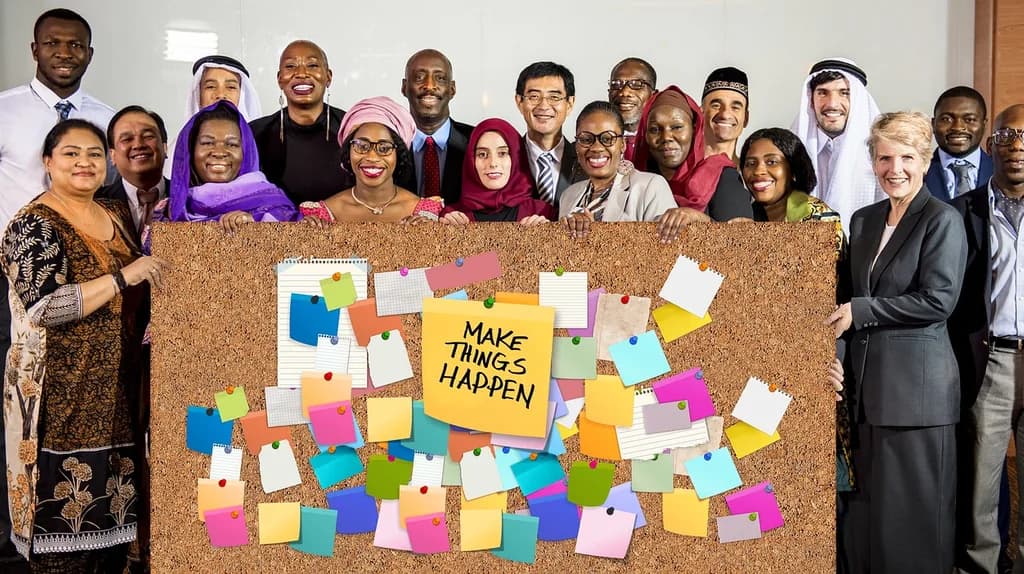
Encouraging cultural awareness begins with education. Share resources such as books, articles, or workshops that explore cultural differences and how they play out in business interactions. Team-building activities can also help build better relationships among team members: encourage participants to share personal stories or cultural traditions to foster understanding and connection.
As teams become more familiar with one another’s cultural nuances, they can turn these differences into a source of creativity and fresh thinking. Diverse perspectives often lead to solutions a more homogenous group might never consider. When brainstorming, for example, invite team members to approach the challenge from their own cultural outlook. This not only sparks more creative ideas, it also helps people feel valued and included.
FAQ
What lessons can be drawn regarding effective cross-cultural management?
Effective cross-cultural management requires recognizing that communication styles, decision-making, and expectations differ widely across cultures. Leaders who adapt their approach, clarify assumptions, and stay attentive to cultural nuances build stronger trust and reduce misunderstandings. Flexibility and active listening are essential to creating alignment in diverse teams.
How does Erin Meyer suggest navigating low-context and high-context cultures in business?
Erin Meyer advises adapting communication to the cultural context you’re working in. With low-context cultures, be direct, explicit, and detailed. With high-context cultures, pay closer attention to implicit messages, relationships, and nonverbal cues. When uncertainty arises, confirming understanding explicitly helps bridge the gap between the two styles.
In what ways does the Culture Map help teams communicate effectively across cultures?
The Culture Map provides a framework that highlights how different cultures position themselves on dimensions such as communication, trust, evaluation, and decision-making. This makes it easier for teams to anticipate challenges, adjust their style, and build shared working norms. It also fosters empathy by revealing the logic behind diverse behaviors.
Other articles on cultural differences
- Trompenaars: what are the 7 Cultural Dimensions?
- Quiz in Intercultural Management
- Intercultural Conflict Management
- How to avoid the pitfalls of multicultural communication
- What Is Intercultural Management?
- Intercultural Communication in Organization: How to Improve It?
- Intercultural Management Consulting
- Intercultural Communication Training: Learn how to Communicate
This article was written by Marc Prager.