




What does INTJ Stand For?
INTJ is an acronym for Introverted, Intuition, Thinking, and Judging. People with this personality are full of innovative ideas and can solve the toughest problems. They chase perfection in everything and take a logical approach at work, energised by their inner world. With a strong sense of intuition and judgement, INTJs are known as 'The Strategist' and 'The Architect'.
Which MBTI is Compatible with INTJ?
The best matches for INTJs are ENTJ, ENFP, and ENTP. These extroverted and introverted personalities complement each other well and build lasting relationships, all valuing logic over rationalisation. Like INTJs, these types love thinking big with a broad vision. Though naturally introverted, INTJs enjoy healthy conversation backed by facts and logical thinking.
Is INTJ the Rarest Personality Type?
INTJ is one of the rarest personalities in the world, making up about 2.6% of the population — 3% of men and 2.2% of women, so the ratio of INTJ men is slightly higher. INTJs have an insatiable curiosity about the world and want the answer to everything they think of, constantly striving to improve themselves.
Why are INTJs So Popular?
INTJs prefer working alone, but they're genuinely helpful to others when part of a team. Ambitious individuals, they aim high and work toward their goals, feeling most comfortable in environments free of emotional influence. They constantly search for new, innovative approaches to drive an organisation's growth, refusing to stick to tradition and staying open to every possibility before deciding. In short, INTJs excel in any organisation thanks to their confidence, vision, decision-making, and logical approach.
Key Traits of INTJ Personality
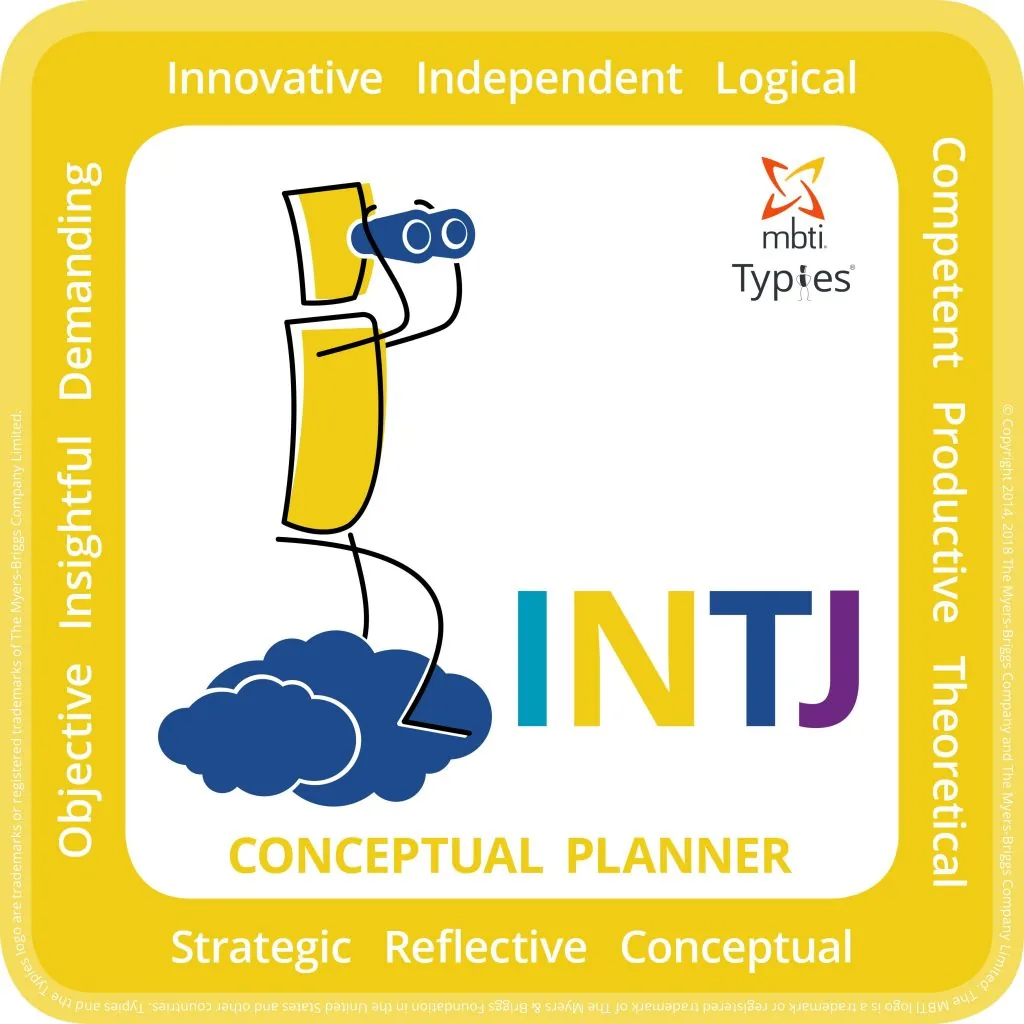
INTJs are hard-working, visionary people who like to work alone. They generally take a broad view of the world and stay open to abstract concepts. Whether at work or in personal life, they plan ahead to avoid inconvenience. The key traits that define INTJs well are:
- Introverted
- Objective
- Perfectionist
- Manipulative
Strengths of INTJ Personalities
Architects, or INTJs, tend to avoid large social groups but form deep relationships with the people they're close to. They're good at sensing what others need and lend a good listening ear to their friends. Always looking to explore new ways of doing things, they're great problem-solvers whose work demonstrates real precision, and they expect the same of others. As a result, they're eager to learn from mistakes and accept constructive criticism openly, using it to grow stronger.
Weaknesses of INTJ Personalities
Every personality has blind spots alongside its strengths, and INTJ is no exception. One of their strengths, perfectionism, becomes a weakness when taken to the extreme. People often fail to meet their expectations because INTJs set the bar too high for themselves and for others, which can come across as arrogant or dismissive of others' feelings. They also resist emotional conversations and struggle to adjust to that kind of environment. Attention to present-day detail, while still thinking ahead, is another area INTJs can work on.
Careers for INTJ
INTJs are hard-working, ambitious, analytical problem-solvers with strong intuition who can spot possibilities even in the toughest times. They can also process complex information and draw logical conclusions, making them a good fit for any leadership role or intellectually demanding job. Career options like scientist, mathematician, doctor, engineer, lawyer, developer, and designer are among the best for INTJs to thrive.
INTJ Cognitive Functions
Cognitive functions shape an individual's personality, with the primary and secondary functions usually the most dominant. An MBTI personality blends four different cognitive functions, described below:
Introverted Intuition: the dominant function in the INTJ personality, helping them spot possibilities, devise patterns, and connect the dots. They want to explore every opportunity and understand everything, skilled at working out what information really means and drawing sharp inferences.
Extraverted Thinking: This auxiliary function pushes INTJs to work in an orderly manner, basing decisions in life and at work on purely logical thinking. It's what drives them to seek control and structure in the world around them.
Introverted Feeling: Less visible in the INTJ personality, this function still makes them considerate of others' feelings. They aim to make decisions that are fair to everyone and reflect the organisation's core values.
Extraverted Sensing: the most inferior function of the INTJ personality, rarely visible. It lets them enjoy the present moment to the fullest, drawing energy from the outside world and making decisions through their senses rather than their feelings.
The MBTI, shaped by Carl Jung's theory, is simply a way to understand yourself and others more keenly. It can guide informed decisions, better career choices, and lasting relationships — the test has nothing to do with intellect, and no one should feel discouraged by their results.
Like every other personality, INTJs have unique traits that set them apart. Knowing their strengths, weaknesses, career paths, and key traits helps individuals and organisations use those strengths effectively and add real value to their work.
Other profiles on MBTI
- ENFJ | Presentation of the Protagonist | MBTI Profile
- ENTJ | presentation of the Commander | MBTI profile
- ENTP | presentation of the Debater | MBTI profile
- ESFJ | presentation of the Consul | MBTI profile
- ESFP | Presentation of the Entertainer | MBTI profile
- ESTJ | presentation of the Executive | MBTI profile
- ESTP | Presentation of the Entrepreneur | MBTI profile
- INFJ | Presentation of the advocate | MBTI profile
- INFP | presentation of the Mediator | MBTI profile
- INTP | presentation of the Logician | MBTI profile
- ISFJ | presentation of the Defender | MBTI profile
- ISFP | presentation of the Adventurer | MBTI profile
- ISTP | presentation of the Virtuoso | MBTI profile
- ISTJ | Presentation of the Logistician | MBTI profile
- ENFP | presentation of the Campaigner | MBTI profile
This article was written by Marc Prager.